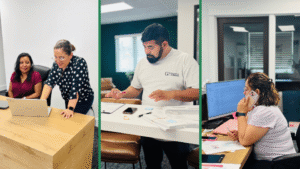
The image of a successful harvest is often centered on the bustling field like the sun on the crops, the rhythmic work of the crew, and the hum of machinery. Yet, the true foundation of this efficiency and productivity is laid far from the dirt, inside an office dedicated to meticulous preparation. The truth is, before a worker steps into the field, there’s a lot that happens at the desk.
At Garza Labor, this desk work is not just routine; it is the strategic starting point for strong operations. We understand that maximizing field output and guaranteeing legal compliance begins with taking onboarding seriously, from verifying every document to making sure every detail is precisely in place. This preparatory phase is the crucial link between hiring and harvesting, transforming raw labor potential into an organized, efficient, and fully compliant workforce.
Organized Onboarding: The Gateway to Compliance
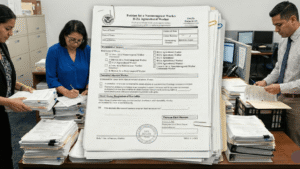
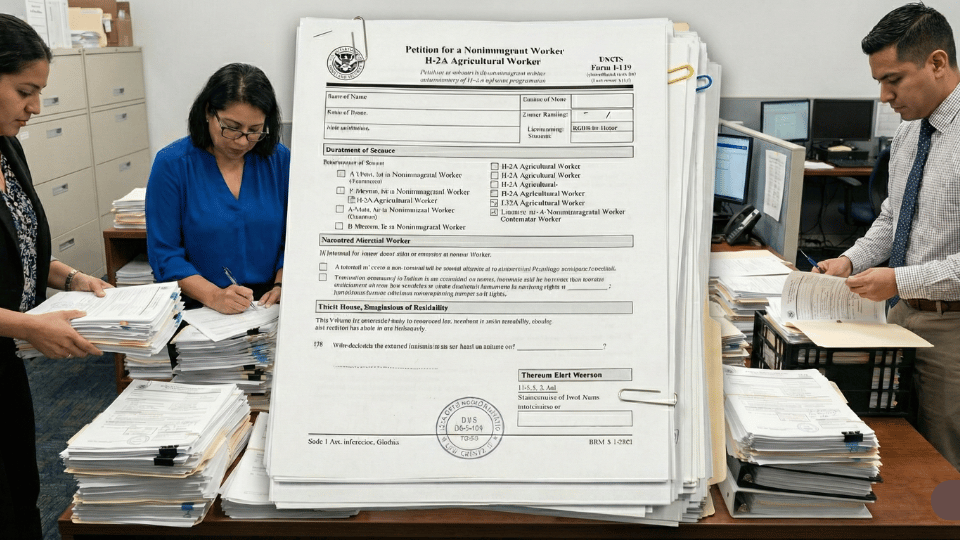
The process of onboarding seasonal agricultural workers, particularly those under the H-2A temporary worker program, is complex and heavily regulated. It demands a systemic approach where efficiency and accuracy are non-negotiable partners. What you see here isn’t just paperwork; it’s part of the process that helps ensure compliance, efficiency, and peace of mind for both growers and crew members.
The first pillar of this system is organized onboarding. This involves more than simply collecting forms; it’s about establishing a smooth, respectful, and legally sound entry for every worker. A disorganized process introduces risk—risk of missed documentation, risk of non-compliance, and risk of operational delays once the season starts.
Key elements of this organized system include:
- Systematic Intake: Utilizing digital and physical systems to track the progress of each worker’s file, ensuring no step is skipped and all necessary forms (I-9, employment contracts, wage agreements, etc.) are properly executed and filed.
- Worker Orientation: Providing comprehensive initial training that covers safety protocols, employment rights, housing rules, and expectations, ensuring the crew is fully informed from day one.
- Document Verification: This is a crucial checkpoint. Thorough document verification is mandatory to confirm identity, eligibility to work, and adherence to H-2A program requirements. This meticulous check protects the worker and the grower from legal liabilities.
This disciplined approach ensures that when workers arrive in the field, they are not only ready to work, but are also officially documented and fully aligned with all operational guidelines.
Mitigating Risk with H-2A Compliance Support
In the agricultural labor sector, especially for growers relying on the federal program, compliance is the paramount concern. Violations—even simple administrative oversights—can lead to severe financial penalties, operational disruptions, and long-term damage to a grower’s ability to secure labor. The office team’s primary function is providing comprehensive H-2A compliance support.
This support is a continuous, detail-oriented effort:
- Regulatory Adherence: Ensuring that all H-2A requirements are met before the start of work, including mandated wage rates, appropriate housing arrangements, and transportation logistics.
- Documentation Integrity: Maintaining pristine records that can withstand audit scrutiny. This includes meticulously tracking work hours, deductions, and specific notifications required under the program.
- Proactive Problem Solving: Identifying potential compliance issues before they escalate. For example, verifying that housing meets all safety and health standards well ahead of worker arrival.
By treating the onboarding desk as the first line of defense, Garza Labor essentially acts as a compliance shield, translating complex federal regulations into simple, actionable steps that guarantee the legality and integrity of the entire operation. This dedication frees the grower to focus on cultivation, knowing the legal framework is secure.
The Outcome: Efficiency and Peace of Mind
Ultimately, the goal of solid office systems extends beyond mere regulation; it aims for an outcome that benefits all parties: efficiency and peace of mind.
For the crew members, an organized onboarding experience means they feel valued, informed, and secure. They know their employment is legitimate, their rights are protected, and their pay will be accurate, leading to higher morale and better performance in the field.
For the growers, the result is a massive reduction in administrative burden and legal risk. Knowing that their labor partner has ensured every iota of H-2A compliance is covered—from the initial recruitment and document verification to ongoing record-keeping—allows them to operate with confidence. Because strong operations start with solid systems. The efficiency gained from a well-onboarded, compliant crew translates directly into higher yield and better bottom-line results.